Zambia’s copper expansion is intensifying pressure on the country’s transport network, strengthening the case for shifting more mineral cargo from road to rail.
Rail freight volumes in Zambia rose 8.6% to 949,250 tonnes in 2023, driven partly by increased copper exports and sulphur transit from the DRC, according to Zambia’s trade policy review.
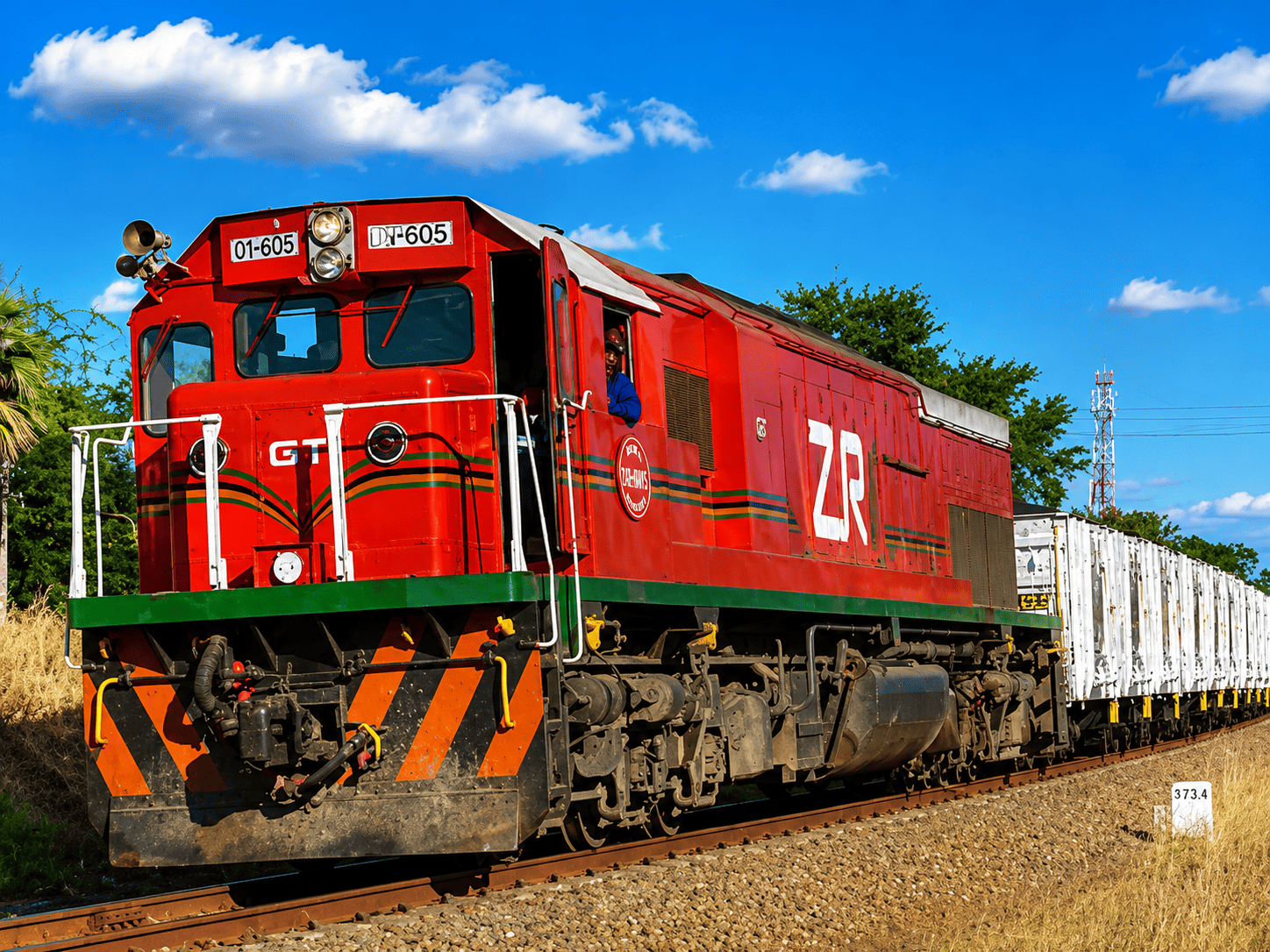
The biggest development is the US$1.4 billion TAZARA revitalisation programme, signed by Zambia, Tanzania and China in September 2025. The project covers rehabilitation of the 1,860-kilometre Kapiri Mposhi–Dar es Salaam line, together with new locomotives and wagons. Freight capacity is projected to rise from roughly 400,000 tonnes to 2.4 million tonnes annually, eventually exceeding three million tonnes.
The push is also reaching the Copperbelt. The World Bank notes that more than 1.5 million tonnes move annually between Ndola and Kapiri Mposhi by road and rail, highlighting the importance of restoring this connection to the wider rail network.
For trucking operators, the shift does not necessarily mean competition with rail. It could create a more integrated freight system, with trucks handling shorter first- and last-mile movements while rail carries larger mineral volumes over longer distances.
As Zambia targets higher copper production, the future may belong to a transport system where road and rail complement each other rather than compete for the same cargo.