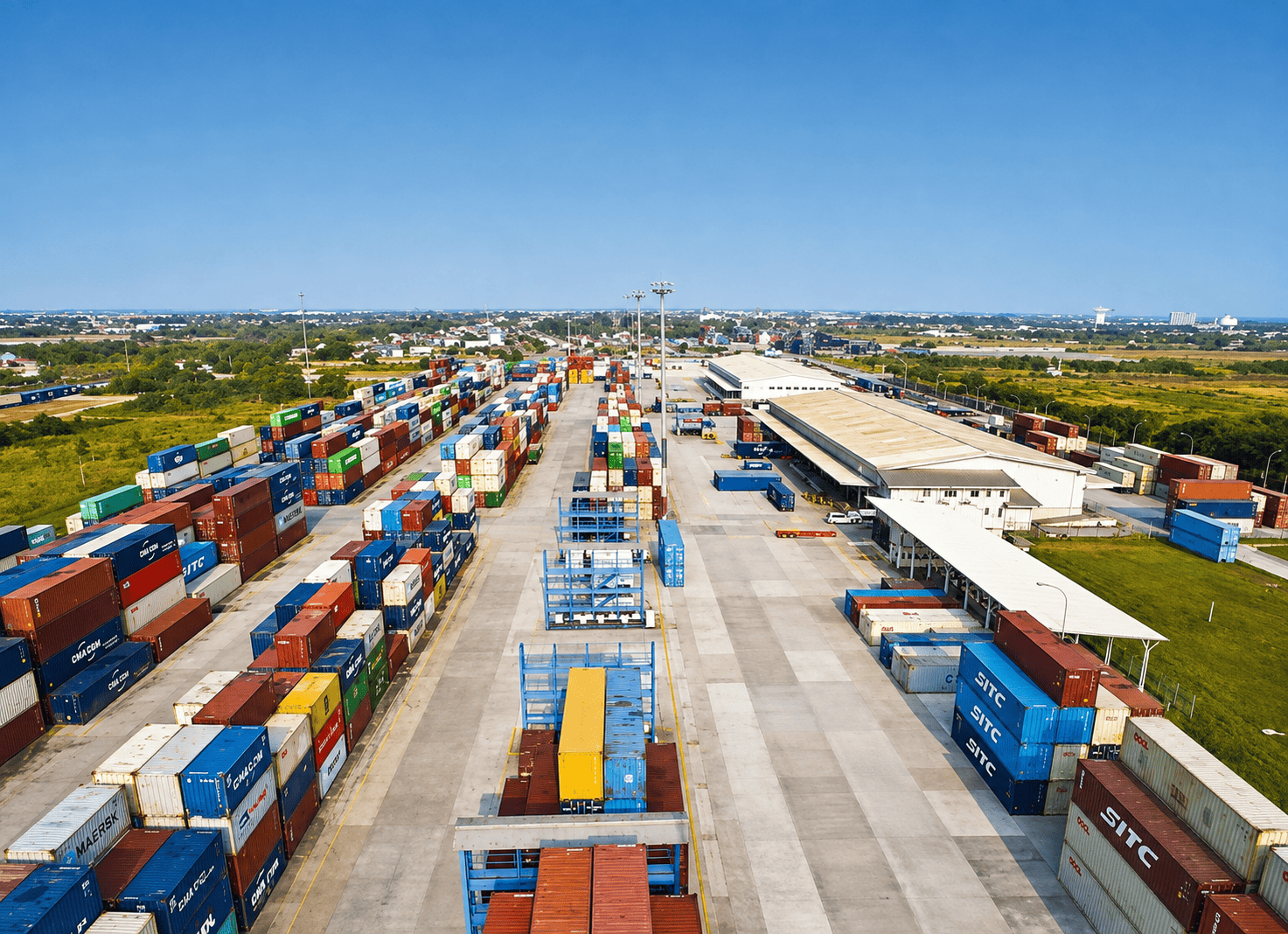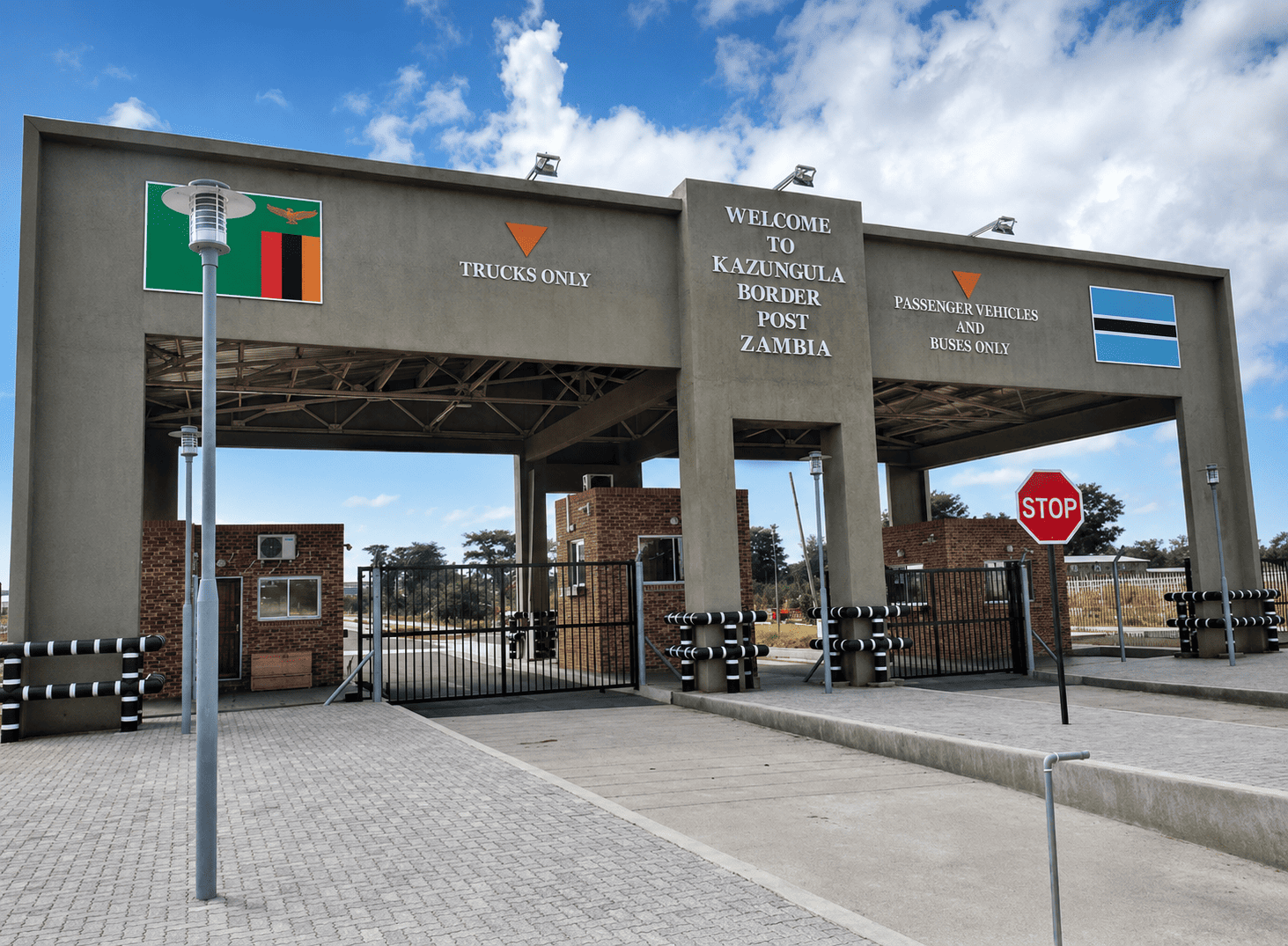
Sixteen years after Chirundu became the region’s first One-Stop Border Post (OSBP) corridor in 2009, evidence from key crossings shows how coordinated border management has become increasingly important to SADC’s freight and trade network.
At Chirundu, connecting Zambia and Zimbabwe, the OSBP was commissioned on 5 December 2009. By 2021, Chirundu was Zambia’s highest-revenue customs station, collecting K4.976 billion in customs revenue, equivalent to 28.5% of revenue recorded across the country’s listed customs offices. The same official study ranked Kazungula second, with K3.847 billion.
Together, those two strategic crossings accounted for more than K8.8 billion in customs revenue in 2021 alone, illustrating their importance to Zambia’s regional freight economy. This does not mean the OSBPs alone generated the revenue, but it demonstrates the scale of commercial activity passing through these corridors.
At Kazungula, the impact is also visible in physical freight movement. SADC reports that since the OSBP became operational, daily truck clearance and release increased from about 80 vehicles to 300, while the average time required to clear a truck fell from five days to approximately 14 hours. SADC also reported improved trade facilitation and increased revenue collection.
On the Zambia-Malawi corridor, Mwami/Mchinji was inaugurated in December 2022. Zambia’s 2021 customs data recorded K84.41 million in revenue at Mwami, while SADC’s 2025 assessment found the crossing handling about 300 trucks per day, with commercial operations running for 12 hours daily.
The newest of the four, Dedza/Calomue, linking Malawi and Mozambique, was inaugurated in June 2025. By November, SADC reported that it was handling about 80 trucks daily, serving wider markets including Zambia, Zimbabwe, Botswana and the DRC.
For SADC’s trucking industry, these figures point to a broader transformation: better-connected borders are becoming an economic asset, not simply points of entry and exit.